Kameya Japan Tradition - Bizen ware Sake Bottle and Matcha Tea Bowls by Jumpei Kaneshige
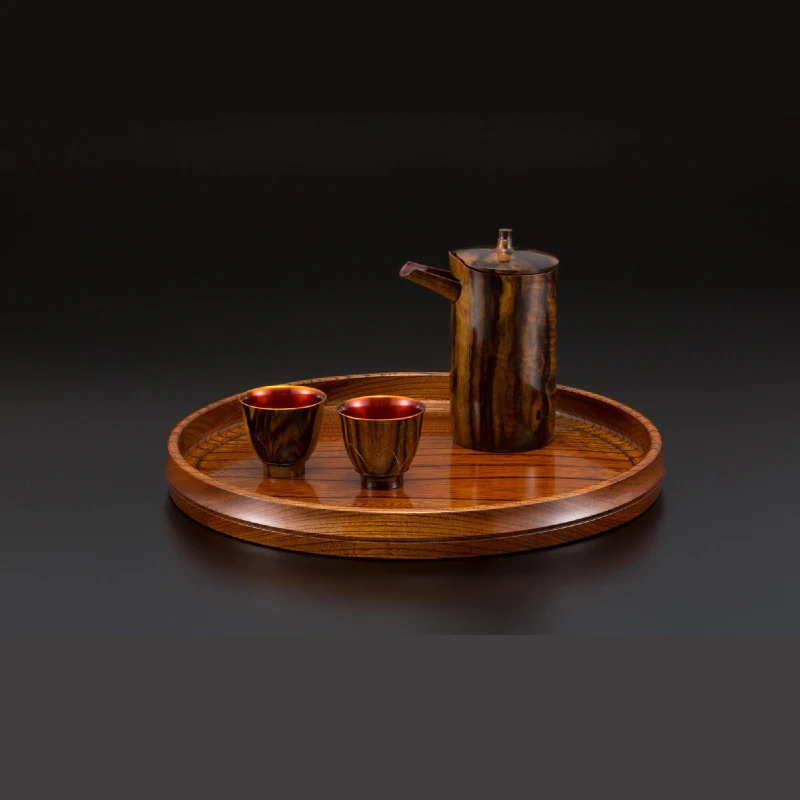
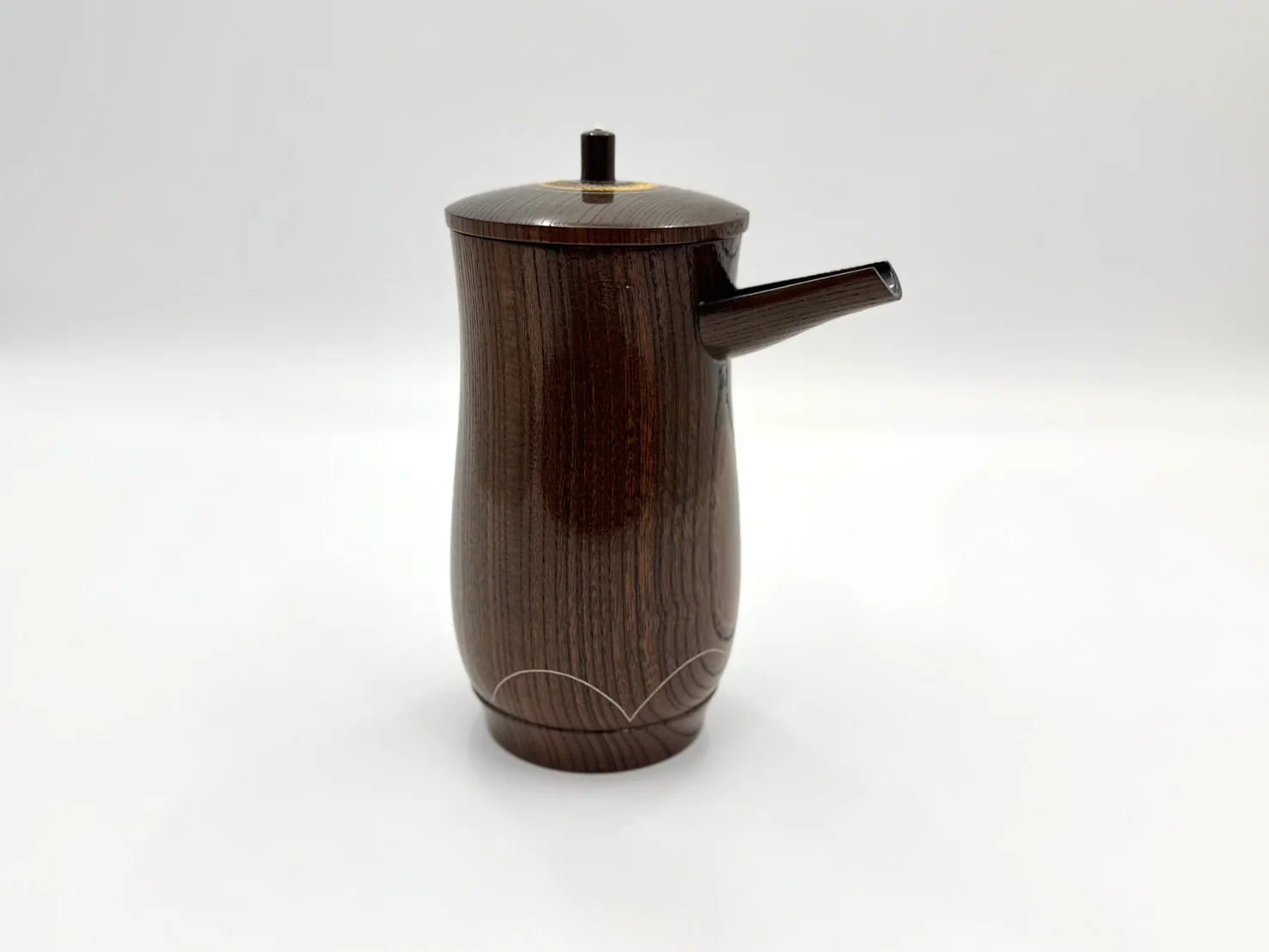
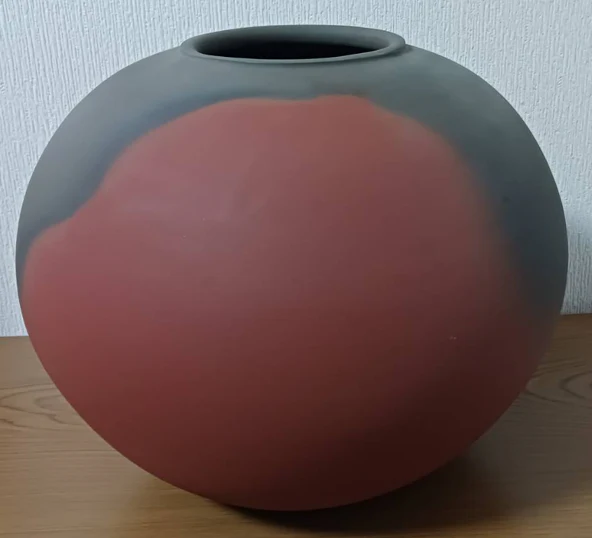
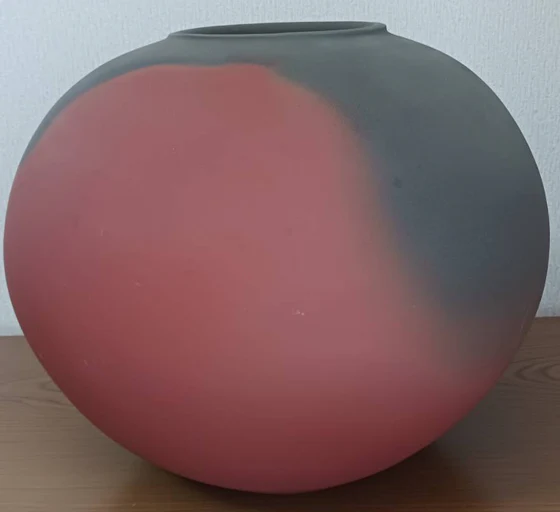
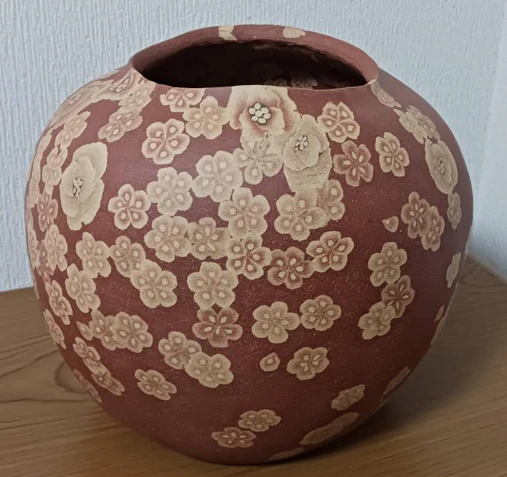
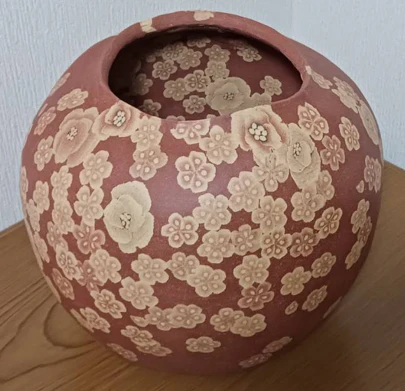
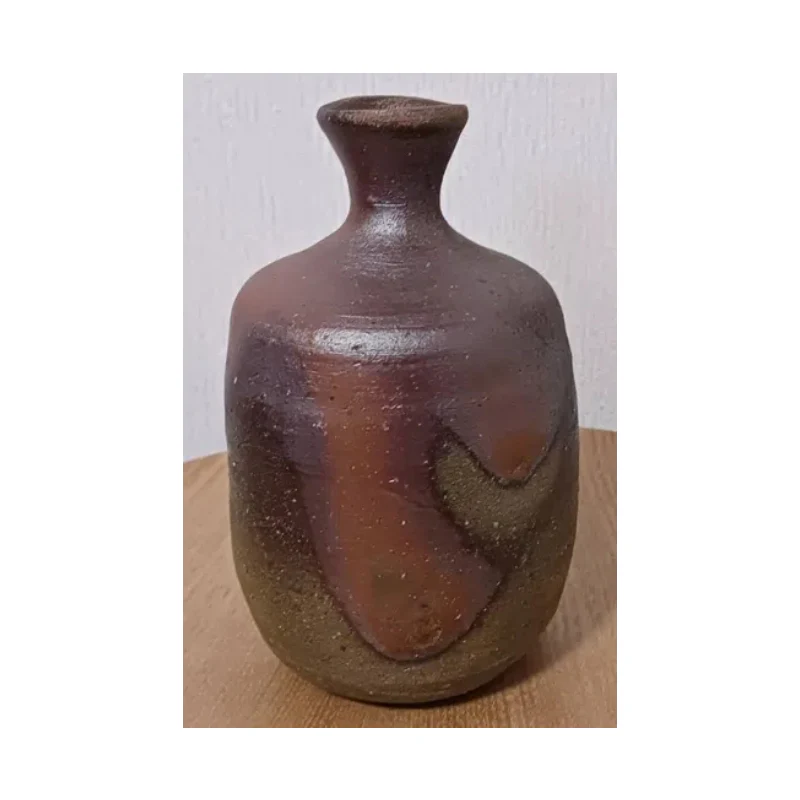
1. This Bizen ware tokkuri (sake decanter) features a distinctive sangiri (cut) pattern, created when parts of the piece are buried in ash or charcoal. The clay reacts without oxygen, creating a one-of-a-kind, varied color pattern. Some sake enthusiasts believes that the surface of porous clay can soften the flavor and enhance the smoothness of warm sake.
Size: 8.8 x 8.8 x 14.6 cm (Length x Width x Height)
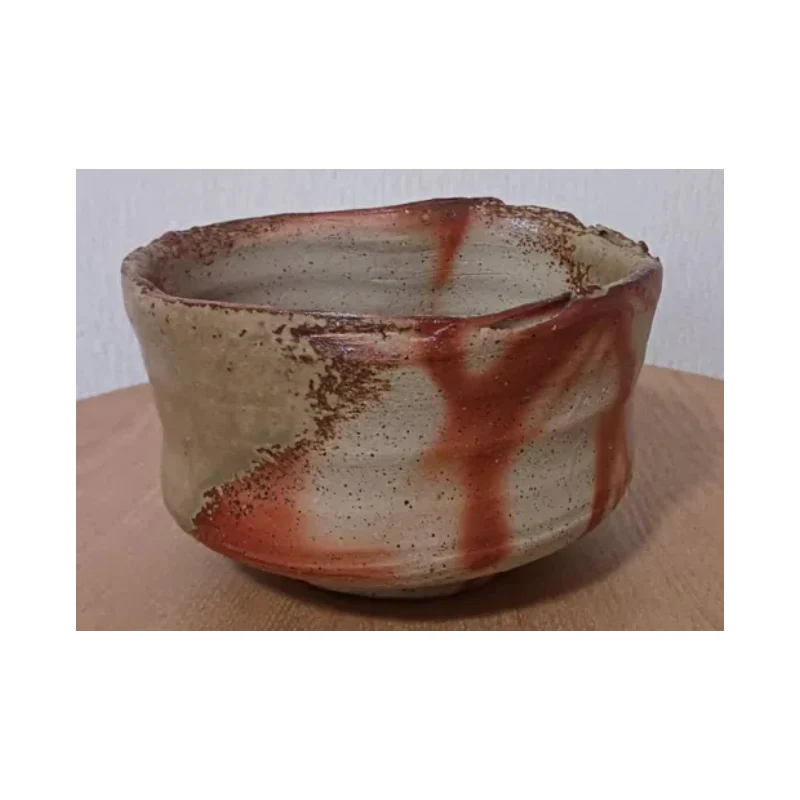
2. Bizen ware Matcha Tea Bowl (Dark): This matcha tea bowl is ideal for sado (tea ceremony) practitioners or those looking to add a unique piece to their home that honors the timeless tradition of Bizen ware. Bizen ware is unglazed, and it naturally develops unique patterns from the firing process. In this piece, you can see the distinctive red and orange marks known as hidasuki (“fire cord”), made by wrapping strips of rice straw around the vase before firing. The alkali of the burning straw reacts with the clay to create a distinctive fire-like pattern.
Size: 10.5 x 12 x 8 cm (Length x Width x Height)
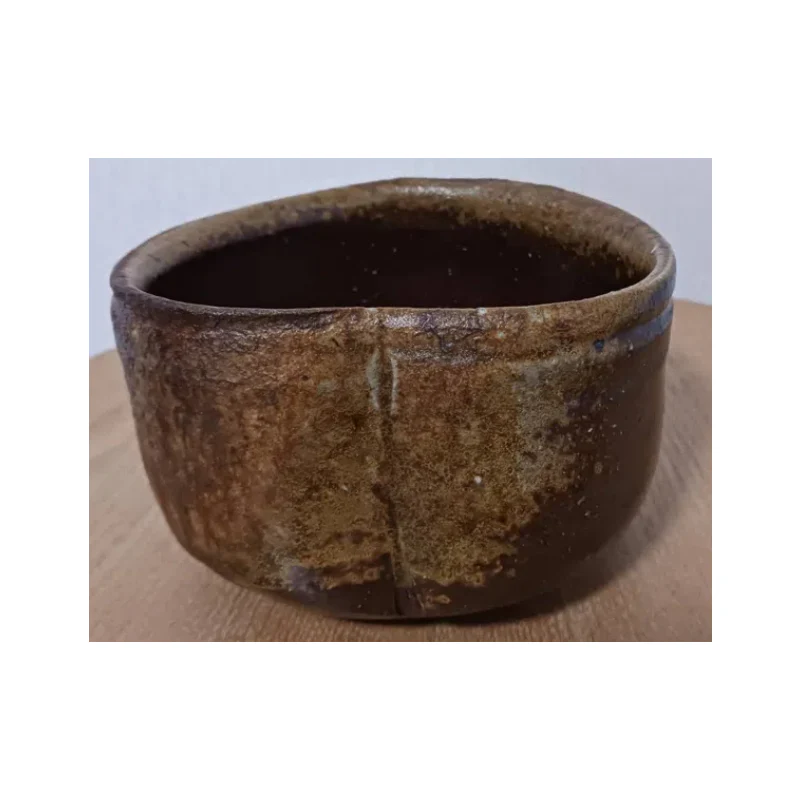
3. Bizen ware Matcha Tea Bowl (Light): This matcha tea bowl is ideal for sado (Japanese tea ceremony) practitioners or for enjoying matcha in a quiet moment at home. It features a distinctive “split” form—adding both improved grip and a subtle expression of wabi-sabi, the beauty of imperfection. The rich, dark surface results from prolonged wood firing, where iron in the clay oxidizes and carbon deposits naturally deepen the tone. In contrast, the lighter, speckled area near the split emerges where the clay is more exposed to ash and less to carbon, creating a natural variation unique to each piece. These unpredictable effects are a hallmark of traditional kiln-fired Bizen ware.
Size: 12 x 13.5 x 9 cm (Length x Width x Height)
About the craftsman:
Jumpei Kaneshige carries forward a 500-year family legacy in Bizen ware pottery, or bizen-yaki, one of Japan’s oldest and most revered forms of pottery. Originating in Bizen Province, Okayama Prefecture and dating back to the 8th century, Bizen-yaki is known for its earthy textures and natural, unglazed beauty—qualities that Kaneshige continues to honor in every piece he creates.
A graduate of Waseda University with further studies in ceramics at Long Island University in the United States, Kaneshige brings a modern sensibility to this ancient craft. From his serene mountain-view studio set upon the mineral-rich soil of Bizen, he handcrafts ceremonial tea, flower arrangement, sake, and tableware that seamlessly blend tradition with contemporary living.
His grandfather, Kaneshige Toyo (1896–1967), was instrumental in reviving Bizen-yaki during Japan’s industrial era and was named a Living National Treasure for preserving its artistry and cultural significance. The Kaneshige family is one of the six original shokunin, or honorable craftsman families, in Bizen.
Today, Kaneshige continues his family’s legacy, preserving the soul of Bizen ware and reimagining it for modern life. The distinctive patterns of Bizen ware are the result of "happy accidents"—organic, one-of-a-kind designs born from the unpredictable interplay of ash, flame, and heat in the kiln.
Product Information
Product Information
Shipping & Returns
Shipping & Returns
Description
1. This Bizen ware tokkuri (sake decanter) features a distinctive sangiri (cut) pattern, created when parts of the piece are buried in ash or charcoal. The clay reacts without oxygen, creating a one-of-a-kind, varied color pattern. Some sake enthusiasts believes that the surface of porous clay can soften the flavor and enhance the smoothness of warm sake.
Size: 8.8 x 8.8 x 14.6 cm (Length x Width x Height)
2. Bizen ware Matcha Tea Bowl (Dark): This matcha tea bowl is ideal for sado (tea ceremony) practitioners or those looking to add a unique piece to their home that honors the timeless tradition of Bizen ware. Bizen ware is unglazed, and it naturally develops unique patterns from the firing process. In this piece, you can see the distinctive red and orange marks known as hidasuki (“fire cord”), made by wrapping strips of rice straw around the vase before firing. The alkali of the burning straw reacts with the clay to create a distinctive fire-like pattern.
Size: 10.5 x 12 x 8 cm (Length x Width x Height)
3. Bizen ware Matcha Tea Bowl (Light): This matcha tea bowl is ideal for sado (Japanese tea ceremony) practitioners or for enjoying matcha in a quiet moment at home. It features a distinctive “split” form—adding both improved grip and a subtle expression of wabi-sabi, the beauty of imperfection. The rich, dark surface results from prolonged wood firing, where iron in the clay oxidizes and carbon deposits naturally deepen the tone. In contrast, the lighter, speckled area near the split emerges where the clay is more exposed to ash and less to carbon, creating a natural variation unique to each piece. These unpredictable effects are a hallmark of traditional kiln-fired Bizen ware.
Size: 12 x 13.5 x 9 cm (Length x Width x Height)
About the craftsman:
Jumpei Kaneshige carries forward a 500-year family legacy in Bizen ware pottery, or bizen-yaki, one of Japan’s oldest and most revered forms of pottery. Originating in Bizen Province, Okayama Prefecture and dating back to the 8th century, Bizen-yaki is known for its earthy textures and natural, unglazed beauty—qualities that Kaneshige continues to honor in every piece he creates.
A graduate of Waseda University with further studies in ceramics at Long Island University in the United States, Kaneshige brings a modern sensibility to this ancient craft. From his serene mountain-view studio set upon the mineral-rich soil of Bizen, he handcrafts ceremonial tea, flower arrangement, sake, and tableware that seamlessly blend tradition with contemporary living.
His grandfather, Kaneshige Toyo (1896–1967), was instrumental in reviving Bizen-yaki during Japan’s industrial era and was named a Living National Treasure for preserving its artistry and cultural significance. The Kaneshige family is one of the six original shokunin, or honorable craftsman families, in Bizen.
Today, Kaneshige continues his family’s legacy, preserving the soul of Bizen ware and reimagining it for modern life. The distinctive patterns of Bizen ware are the result of "happy accidents"—organic, one-of-a-kind designs born from the unpredictable interplay of ash, flame, and heat in the kiln.